Southeastern Wisconsin keeps showing up on families’ radar, and when people ask me why, I give them the real answer, not the brochure version. The honest case for this region is quieter and more durable than any headline: it is a place where you can actually live, not just visit, and where belonging happens year-round, not just in July.
What does southeastern Wisconsin actually offer families day to day?
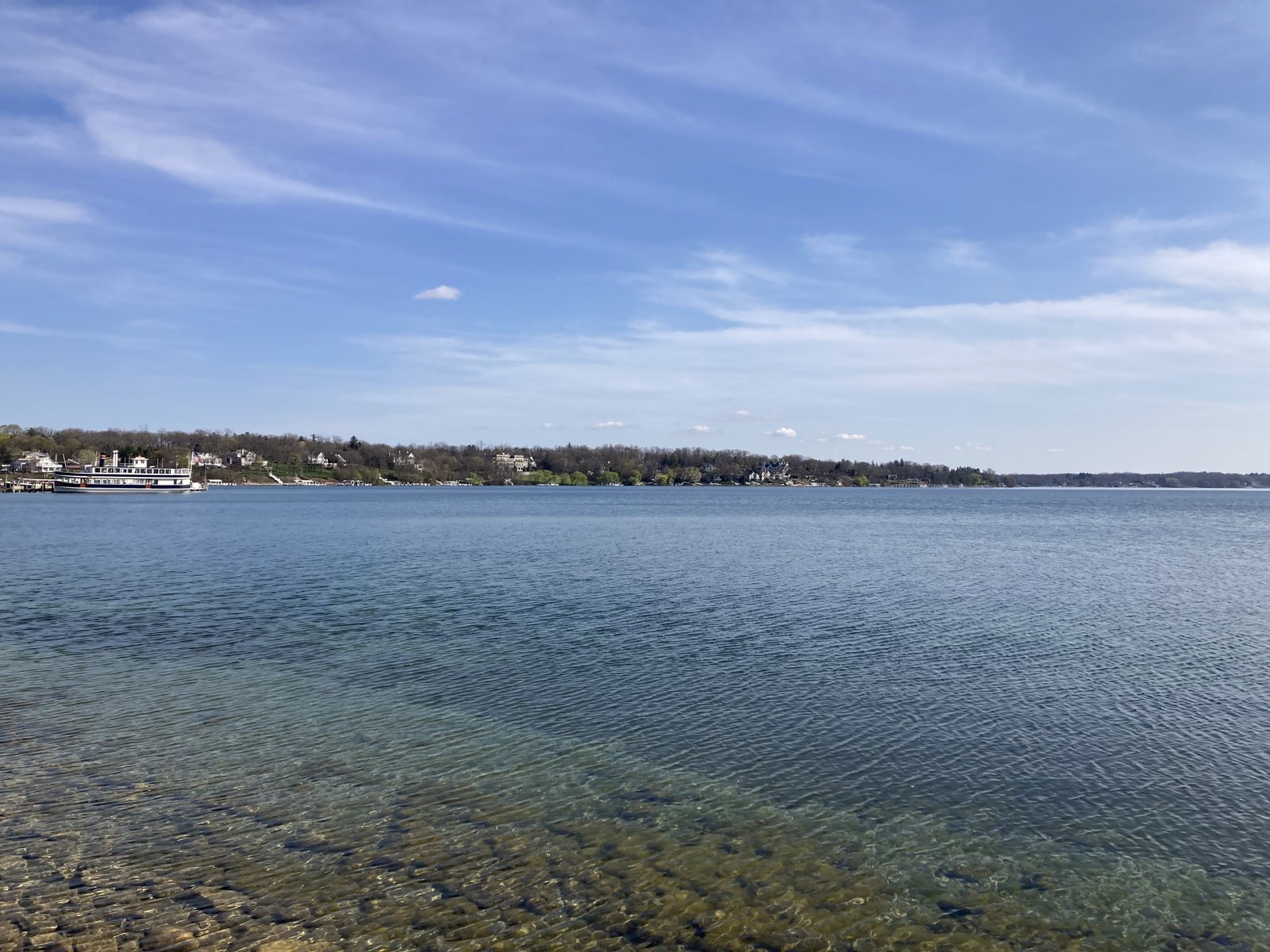
Lake Michigan is not a backdrop here. It is part of the routine. Kenosha’s harborfront, Simmons Island, Southport Marina, and the lakefront parks are places my clients use on regular weekdays, not just summer weekends. You walk the harbor after dinner. You take the kids to the museum on a Saturday morning that has gone cold. Racine adds North Beach and the Root River corridor, and the experience is genuinely different from Kenosha’s, which is part of the point.
What families find when they look seriously at this region is that you do not have to choose one kind of life. Kenosha’s downtown and lakefront district are compact and walkable. The Kenosha Public Museum, the Dinosaur Discovery Museum, and the Civil War Museum are all within easy reach of each other, and there are good restaurants and the historic streetcar line within the same walk. Racine County offers a different kind of variety: Racine’s downtown and lakefront on one end, and communities like Burlington, Waterford, and Union Grove on the other end, where the landscape opens up and the pace changes. Families in this region can find urban walkability, suburban neighborhoods, or something closer to rural, all within a short drive of each other.
Is the calendar actually full beyond summer?
This is the question I wish more people asked before they visited in August and assumed that was the full picture. Fall and winter are where the community shows itself honestly.
In October, the HarborMarket in Kenosha is still running Saturday mornings. Carthage College’s Homecoming and Family Weekend fills the campus and the surrounding neighborhood with activity. The Racine Art Museum’s Wustum campus runs accessible family programming like their Free Fall Family Fun Fest. The Choral Arts Society performs in Racine. School calendars pick up with parent nights, sports seasons, and fall activities. The foliage along the lakefront trails and county parks is genuinely worth planning around.
In November, the outdoor options narrow, but the community does not disappear. Carthage hosts regional cross-country championships. Libraries run programming. Arts events move indoors. The region’s museums and cultural organizations carry their own weight in colder months, which tells you something about how embedded they are.
The families who come here and stay are the ones who figure out fairly quickly that the calendar is full because the community maintains it, not because a tourism office is propping it up.
What about schools and colleges?
Kenosha Unified is a large district with multiple schools serving distinct neighborhoods, and the specifics matter when you are choosing where to live within the city. I always tell buyers to look at the school boundaries before they fall in love with a particular street. Racine County has its own district structures with real differences between communities.
Carthage College’s presence in Kenosha is underrated as a quality-of-life factor. It is not just a school on a campus. It brings performances, athletic events, speakers, and a younger energy to the lakefront neighborhood. Families who end up a mile or two away often find themselves at Carthage events they never expected to attend.
Does southeastern Wisconsin have the same value it did a few years ago?
This is where I have to be straight with buyers. This region has been discovered. The price gap between southeastern Wisconsin and northeastern Illinois has narrowed. Multiple-offer situations happen here, especially for well-priced homes in Kenosha’s lakefront neighborhoods and in the communities along the I-94 corridor. If you are a buyer coming in from outside the area and you are serious, the first thing I tell you is to get your pre-approval letter in hand before you start looking. You want to be ready to move when the right house appears, and you want that letter with your offer so the seller knows you are not just exploring.
The value is still real. It is just not a secret anymore.
What kind of family does this region suit best?
Families who want a recognizable neighborhood, an outdoor life that is not seasonal theater, school systems they can engage with, and a town-scale sense of community tend to find what they are looking for here. It suits people who do not need a major metro center to feel like they are in a real place.
I grew up in Kenosha and I am in town constantly. What I see in the families who put down roots here is that they come for a practical reason, the house, the commute, the price, and they stay because the place earns it. That is the honest answer.
If you are thinking about a move to Kenosha, Racine County, or Lake Geneva and want to talk through what different neighborhoods actually feel like to live in, I am happy to have that conversation with no pressure attached. Reach out anytime.